

Key takeaways
- The best monitors for video editing in 2026 are the BenQ SW272U for dependable color work at a sensible price, the ASUS ProArt PA32UCG for HDR mastering, the Apple Studio Display for Mac-based 5K editing, and the EIZO ColorEdge CG2700X…
The best monitors for video editing in 2026 are the BenQ SW272U for dependable color work at a sensible price, the ASUS ProArt PA32UCG for HDR mastering, the Apple Studio Display for Mac-based 5K editing, and the EIZO ColorEdge CG2700X when calibration consistency matters more than cost.
The right choice depends less on the biggest resolution and more on the type of footage you grade. Resolution determines how clearly you can inspect detail, gamut determines which colors the display can reproduce, calibration determines whether those colors are trustworthy, and HDR performance determines whether highlights and shadows look convincing. Screen size and connectivity then decide whether the monitor fits your desk and workflow.
Our top picks


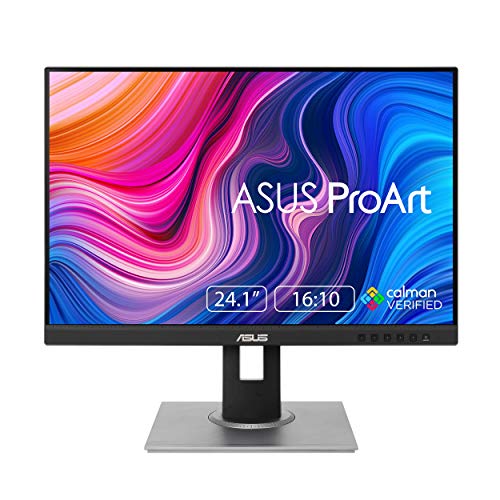
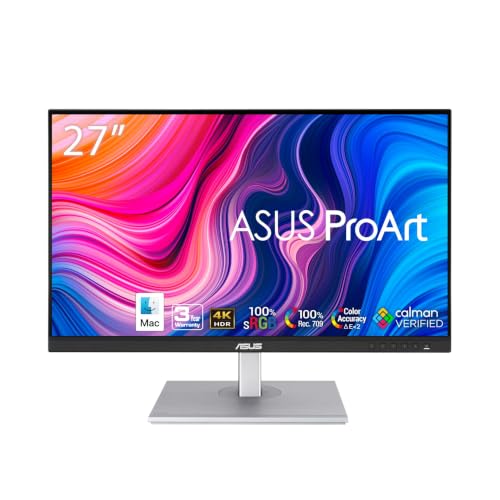
As an Amazon Associate we earn from qualifying purchases at no extra cost to you. Ratings are shown as listed on Amazon.
Quick comparison
| Monitor | Best for | Resolution and size | Color and HDR highlights | Calibration support | Typical market range |
|---|---|---|---|---|---|
| BenQ SW272U | Affordable SDR and print/video color work | 27-inch, 3840 × 2160 | 99% Adobe RGB, 100% sRGB, 99% DCI-P3; about 400 nits | Hardware calibration with compatible colorimeters; shading hood included | About $550–$750 |
| Apple Studio Display | Mac editors who value 5K workspace | 27-inch, 5120 × 2880 | Wide P3 color; 600 nits; strong SDR image | Factory-calibrated; external calibration is more limited than on reference displays | About $1,400–$1,800 |
| ASUS ProArt PA32UCG | HDR video editing and mastering | 32-inch, 3840 × 2160 | Mini-LED backlight, up to 1600 nits, high contrast, wide-gamut coverage | Hardware calibration support and multiple color modes | About $2,000–$2,800 |
| EIZO ColorEdge CG2700X | Professional color-critical studios | 27-inch, 3840 × 2160 | Wide Adobe RGB and DCI-P3 coverage; approximately 500 nits | Built-in calibration sensor and ColorNavigator software | About $2,500–$3,500 |
| Dell UltraSharp U3224KB | Large 6K editing workspace | 32-inch, 6144 × 3456 | Wide-gamut IPS Black panel; strong SDR performance | Factory calibration and monitor calibration compatibility | About $2,000–$2,500 |
Best overall for most color-conscious editors: BenQ SW272U
The BenQ SW272U is the most balanced recommendation for editors who mainly deliver SDR video, online content, documentaries, social campaigns, or commercial work without needing a dedicated HDR reference monitor. Its 27-inch 4K panel provides a sharp 163 pixels per inch, enough to inspect fine texture and focus while leaving room for a timeline, scopes, and grading controls.
Its strongest advantage is the combination of broad gamut coverage and a practical calibration system. Adobe RGB coverage is useful for hybrid video-and-photo workflows, while DCI-P3 and sRGB modes suit modern video delivery. Hardware calibration stores the correction inside the monitor rather than relying only on the computer’s graphics output. The included shading hood also reduces distracting reflections and changes in perceived contrast.
At roughly $550 to $750, it is a better fit for a freelance editor than a premium HDR display. The limitation is brightness: a monitor in this class can show a wide range of colors, but it is not a convincing substitute for a professional HDR mastering display.
Best for Mac editors: Apple Studio Display
The Apple Studio Display is a strong choice for editors working primarily on a Mac who want a crisp 5K canvas rather than extensive HDR controls. Its 5120 × 2880 resolution gives a 27-inch screen a very dense image, making interface text and 4K footage look exceptionally clean at a comfortable editing scale.
Its P3 color gamut and 600-nit brightness are well suited to SDR editing, YouTube production, client review, and general creative work. Thunderbolt connectivity simplifies a laptop setup, and the display can provide power to a compatible MacBook through a single cable. The built-in camera and speakers are useful for production calls, although they should not determine the purchase if color accuracy is the priority.
Choose it over the BenQ when 5K macOS scaling, Apple integration, and desk simplicity matter most. Choose the BenQ or EIZO instead when you need deeper hardware calibration controls, a shading hood, or more deliberate support for multiple color standards.
Best for HDR editing: ASUS ProArt PA32UCG
The ASUS ProArt PA32UCG is the more appropriate choice for editors finishing HDR10, HLG, or high-end commercial work. Its 32-inch 4K format gives grading controls and scopes more room, while the mini-LED backlight can produce dramatically brighter highlights than a conventional office monitor.
High peak brightness alone does not make a monitor a reference display. Local-dimming behavior, black-level consistency, tone mapping, and the selected HDR standard all matter. The PA32UCG’s large zone-based backlight is designed to make bright specular highlights—such as reflections, lamps, and sunlight—stand out while retaining darker areas. Some blooming around bright objects can still appear, particularly against black backgrounds.
This monitor makes sense when HDR is a frequent deliverable rather than an occasional preview. It is expensive, power-hungry compared with ordinary IPS displays, and its 32-inch footprint requires a deep, stable desk. For mostly SDR work, the extra cost may produce less benefit than investing in a reliable calibration device and better room lighting.
Best for long-term color consistency: EIZO ColorEdge CG2700X
The EIZO ColorEdge CG2700X targets studios where predictable output is more important than maximizing features per dollar. Its built-in calibration sensor can automate regular checks, and EIZO’s ColorNavigator software provides a controlled way to create and maintain color targets.
This matters in shared environments. A display can drift over time because of backlight aging, temperature, and changes in operating conditions. A built-in sensor reduces the chance that calibration becomes a task everyone postpones. The monitor is particularly attractive for editors who also handle color-critical still images or need repeatable client approvals.
Its 27-inch 4K size is comfortable for a single-editor station, but it does not provide the same physical timeline area as a 32-inch screen. It also costs substantially more than a good general-purpose editing monitor. The premium is easiest to justify when the cost of a color error—such as a rejected commercial master or a failed print match—exceeds the monitor’s price difference.
Best for a large 6K workspace: Dell UltraSharp U3224KB
The Dell UltraSharp U3224KB is aimed at editors who want a large, high-resolution desktop for 6K footage, multicamera timelines, effects panels, and grading scopes. At 32 inches and 6144 × 3456, it provides considerably more workspace than a 27-inch 4K monitor while keeping text and interface elements sharp.
It is a particularly practical choice for a workstation or Mac-and-PC environment because its Thunderbolt connectivity can reduce cable clutter and support a dock-style setup. Its IPS Black panel offers better native contrast than many standard IPS office displays, though it should not be confused with an OLED or a professional mini-LED HDR reference monitor.
Select it for resolution and productivity rather than serious HDR mastering. If your priority is checking shadow detail under controlled HDR conditions, the ASUS ProArt PA32UCG is the stronger specialist tool.
How to choose by workflow and budget
| Your situation | Recommended direction | Why |
|---|---|---|
| Under about $750, mostly SDR delivery | BenQ SW272U | 4K sharpness, broad gamut, hood, and hardware calibration |
| MacBook-based editing and frequent travel between desks | Apple Studio Display | 5K clarity, one-cable Thunderbolt setup, and strong SDR presentation |
| HDR is a regular paid deliverable | ASUS ProArt PA32UCG | Mini-LED local dimming and much higher peak brightness |
| Shared studio or strict client matching | EIZO ColorEdge CG2700X | Integrated calibration sensor and controlled color management |
| Limited desk width but many panels and scopes | 27-inch 4K display | High pixel density without the depth and width of a 32-inch monitor |
| Single large workstation with 6K source footage | Dell UltraSharp U3224KB | Extra pixels reduce interface crowding and improve viewing detail |
Resolution, gamut, and calibration: what matters in practice
For most editors, 4K is the sensible baseline. A 27-inch 4K display is sharp enough for precise work, while a 32-inch 4K display is easier to view at a larger scale but has lower pixel density. A 5K or 6K monitor is valuable when you need a large interface with room for a full-resolution preview, or when your footage exceeds 4K.
Color gamut should match delivery. sRGB is common for web content, DCI-P3 is important for many modern video workflows, and Rec. 709 remains central to SDR broadcast and conventional video delivery. A wide-gamut monitor is not automatically accurate in every mode; it must be set to the correct target rather than left in an oversaturated native mode.
Calibration support is divided into two categories. Factory calibration helps the monitor perform well when new. Hardware calibration lets a colorimeter write a correction into the monitor, preserving the computer’s output for other applications. Calibrate at a fixed brightness appropriate to your room, keep ambient light consistent, and verify the result periodically rather than calibrating once and forgetting it.
Ownership details that affect the buying decision
Room lighting can undermine an expensive monitor. Avoid direct sunlight, glossy reflections, and changing mixtures of daylight and warm lamps. Clean the panel with a soft, lint-free cloth; do not spray liquid directly onto the screen or use household glass cleaner. Dust and fingerprints alter perceived blacks and highlights more than many buyers expect.
Backlights also change gradually. A monitor used eight hours a day accumulates roughly 2,000 hours each year, so brightness and white point can drift well before the electronics fail. Recalibration every few months is a practical starting point for professional work, with more frequent checks if the display is used for paid color-critical mastering. Keep the original calibration reports and record your target settings so a replacement or second monitor can be matched more easily.
Final recommendation
Buy the BenQ SW272U if you need the best balance of color coverage, 4K detail, calibration support, and price. Choose the Apple Studio Display for a polished Mac-centric 5K editing desk, the ASUS ProArt PA32UCG for frequent HDR mastering, the EIZO ColorEdge CG2700X for controlled professional color workflows, and the Dell UltraSharp U3224KB when maximum desktop resolution and workspace are the priority.





Write Your Review
No reviews yet. Be the first to share your experience!