

Key takeaways
- Standard dining table: pair with a 17.5–19-inch seat.
- Counter-height table: pair with a 24–26-inch seat.
- Bar-height table: pair with a 28–30-inch seat.
Best Dining Chairs for Comfort and Style
The best dining chairs combine a seat height that suits your table, enough width for relaxed sitting, supportive cushioning, a durable frame, and upholstery or surfaces you can clean without special treatment.
For most homes, a dining chair with a 17.5–19-inch seat height, a 17–20-inch seat width, a slightly curved back, and a wipeable fabric or finished wood seat is the safest all-round choice. Upholstered chairs feel more comfortable for long meals, while molded plastic, metal, and sealed wood are easier to maintain in busy kitchens.
Our top picks


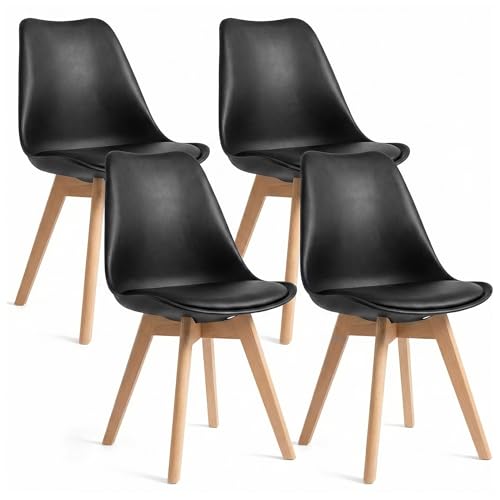
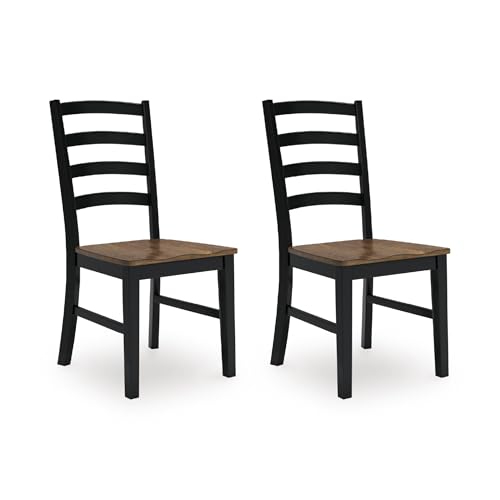
As an Amazon Associate we earn from qualifying purchases at no extra cost to you. Ratings are shown as listed on Amazon.
Quick comparison: which dining chair fits your home?
| Chair type | Typical seat height | Typical width | Comfort for long meals | Cleaning effort | Best use |
|---|---|---|---|---|---|
| Upholstered side chair | 18–19 in | 18–21 in | High | Medium | Daily dining and entertaining |
| Wood Windsor-style chair | 17.5–19 in | 17–20 in | Medium to high | Low | Traditional, farmhouse, or mixed interiors |
| Molded plastic or polypropylene chair | 17–19 in | 17–19 in | Medium | Very low | Families, kitchens, and casual dining |
| Metal-frame chair with upholstered seat | 18–19 in | 18–21 in | Medium to high | Medium | Modern rooms and frequent use |
| Counter-height chair | 24–26 in | 18–21 in | Medium | Low to medium | 36-inch counter-height surfaces |
Dimensions vary by manufacturer, so use these figures as screening ranges rather than guarantees. A chair that is only one inch wider can make a major difference when four or six seats must fit around a table.
How to choose the right seat height
Seat height is the first measurement to check because an attractive chair can become uncomfortable if your knees are too high or your arms cannot rest naturally on the table. For a standard dining table measuring about 28–30 inches high, look for a chair seat around 17.5–19 inches from the floor.
A useful rule is to allow roughly 10–12 inches between the chair seat and the underside of the tabletop. Measure to the lowest obstruction beneath the table, such as an apron, drawer, or support rail—not just to the tabletop surface.
- Standard dining table: pair with a 17.5–19-inch seat.
- Counter-height table: pair with a 24–26-inch seat.
- Bar-height table: pair with a 28–30-inch seat.
Armchairs need an additional check: measure the distance between the table legs or pedestal and confirm that the arms can slide underneath. A chair may fit around the table but still prevent people from pushing it in.
Seat width, depth, and cushioning matter more than appearance
For everyday comfort, target at least 17 inches of usable seat width. Around 18–20 inches suits many adults, while 21 inches or more gives a roomier feel but reduces the number of chairs that fit at the table. If the listed width includes arms, confirm the actual space between the armrests.
Seat depth usually falls between 16 and 18 inches. A deeper seat can feel luxurious, but it may leave shorter users without proper back support. A gently sloped seat or a supportive back cushion can be more comfortable than simply adding depth.
Foam density is often omitted from furniture listings, but it affects how quickly a cushion loses shape. As a practical buying guide:
- 1.5–2.0 pounds per cubic foot: common in budget seating and more likely to soften quickly.
- 2.0–2.5 pounds per cubic foot: a reasonable target for regular dining use.
- 2.5 pounds per cubic foot or higher: generally better suited to frequent, long-term use, provided the cushion is not excessively firm.
A removable, zippered cover is useful, but check whether the care label permits machine washing. Some covers shrink or lose their shape even when removal is possible. Fixed upholstery is less likely to shift, but spot cleaning is the only practical option.
Frame materials: what lasts and what shows wear
Solid wood
Solid hardwood frames can last for years when joints are properly reinforced. Look for corner blocks, dowel or mortise-and-tenon joinery, and a chair that does not wobble when placed on a level floor. Wood can be refinished, but open-grain finishes may absorb spills unless sealed.
Metal
Steel frames offer good strength and slim profiles. Powder-coated finishes resist everyday scuffs better than thin painted finishes, although chips can expose metal to rust in damp rooms. Metal seats and backs can feel cold or unforgiving, so a padded seat is usually preferable for extended meals.
Molded plastic
Polypropylene and similar molded plastics are easy to wipe clean and often tolerate spills better than fabric. Check for a weight capacity of at least 250 pounds for general household use; higher capacities provide a useful margin for repeated loading. Plastic can flex slightly, which is normal, but cracks, sharp edges, or permanent distortion are warning signs.
Engineered wood
Engineered wood can be stable and attractive when fully sealed. Inspect exposed edges and the underside of the seat, where moisture can enter. Veneer is not inherently poor quality, but peeling edges and bubbling finish are difficult to repair.
Cleanability: choose for the messes you actually have
Homes with children, pets, or frequent entertaining should prioritize smooth, sealed surfaces and performance-oriented upholstery over delicate boucle, untreated cane, or heavily textured fabric. “Stain resistant” does not mean stain proof, and aggressive scrubbing can damage a protective finish.
- Spills on sealed wood or plastic: blot first, then use a damp cloth with mild soap.
- Fabric upholstery: blot rather than rub, and follow the manufacturer’s cleaning code.
- Leather or faux leather: wipe promptly and keep away from harsh solvents and excessive heat.
- Cane or woven seats: use minimal moisture and inspect regularly for sagging or broken strands.
Do not soak a wood chair, saturate foam, or use bleach unless the care instructions specifically allow it. Moisture that reaches joints can cause swelling, loosened connections, or unpleasant odors.
Decision matrix by space, budget, and frequency of use
| Your situation | Best chair direction | Why | Approximate market range per chair |
|---|---|---|---|
| Small apartment, limited floor area | Armless chair, 17–18 in wide | Slides under the table and preserves circulation space | $50–$180 |
| Daily family use with frequent spills | Polypropylene or wipeable upholstered chair | Fast cleanup and fewer fabric stains | $60–$220 |
| Long dinners and home entertaining | Padded chair with 2.0+ lb/ft³ foam | Better support over several hours | $120–$400 |
| Traditional interior and long ownership | Solid-wood chair with replaceable glides | Repairable frame and adaptable appearance | $100–$350 |
| Very tight budget or occasional use | Simple molded or engineered-wood chair | Lower upfront cost and easy replacement | $35–$120 |
Table compatibility and the seating calculation
Before ordering, calculate both clearance and capacity. A common planning estimate is 24 inches of table edge per person. A 72-inch rectangular table therefore accommodates about three people per side, or six without end seats. With compact 18-inch chairs, you may fit more physically, but 24 inches gives diners enough elbow room for normal use.
For example, suppose a table has 60 inches of usable side length. Six 19-inch-wide chairs would require 114 inches if placed in one row, so they cannot fit on that side. Two chairs per side may be comfortable, while adding an end chair depends on the table’s depth, leg position, and whether the end chair has arms.
Also measure the chair’s overall depth. Leave approximately 30–36 inches behind a seated diner for a usable walkway, and more where people must pass frequently. A dining chair that fits the tabletop can still make a room feel cramped if its back extends far into the traffic path.
Floor protection and long-term ownership
Hard floors need appropriately sized glides. Felt glides are usually quiet on finished wood, laminate, and tile, but they collect grit and should be replaced when worn. Plastic or nylon glides can slide easily but may scratch some finishes. Rubber feet grip better but can leave marks on certain floors.
Check each glide every few months and replace the set together so the chair remains level. Never drag a chair with a loose nail or exposed metal fastener. For rugs, wider feet or flat glides distribute pressure better and reduce snagging.
The parts most likely to wear first are seat foam, fabric at the front edge, fasteners in frequently moved chairs, and floor glides. A chair with replaceable cushions, accessible screws, and standard glides can cost less to own than a cheaper chair that must be discarded after one damaged component.
Bottom line
Choose an 18-inch-high, 18–20-inch-wide upholstered chair for the best balance of comfort and style around a standard dining table. Choose molded polypropylene when cleanup and everyday durability matter most, solid wood when repairability and a classic look are priorities, and a slim armless design when space is limited. Confirm the measurements beneath the table, leave enough elbow and walkway clearance, and treat floor glides and upholstery care as part of the purchase—not afterthoughts.





Write Your Review
No reviews yet. Be the first to share your experience!