

Key takeaways
- Hot, sunny climates: Choose a paint with strong ultraviolet and color-fade resistance. Light and medium colors usually place less heat stress on siding than very dark colors.
- Humid or rainy climates: Prioritize mildew-resistant acrylic paint, but first correct gutters, leaks, poor ventilation, and vegetation touching the wall. Paint cannot permanently solve a moisture problem.
- Freeze-thaw climates: Look for a flexible coating with good adhesion and apply it only within the manufacturer’s temperature and weather window.
- Coastal locations: Salt, wind, and intense sun make surface cleaning and periodic inspection more important. A premium acrylic system is usually safer than a bargain coating.
- Dry climates: Dust and chalking can prevent adhesion. Washing and allowing the surface to dry fully may matter more than choosing a slightly more expensive color line.
The best exterior house paint for lasting protection is usually a premium 100% acrylic-latex paint matched to your climate and siding: Benjamin Moore Aura Exterior is a strong all-around choice, Sherwin-Williams Duration Exterior is especially compelling for repainting and harsh exposure, and Behr Marquee Exterior offers a lower-cost route to good coverage.
Our top picks

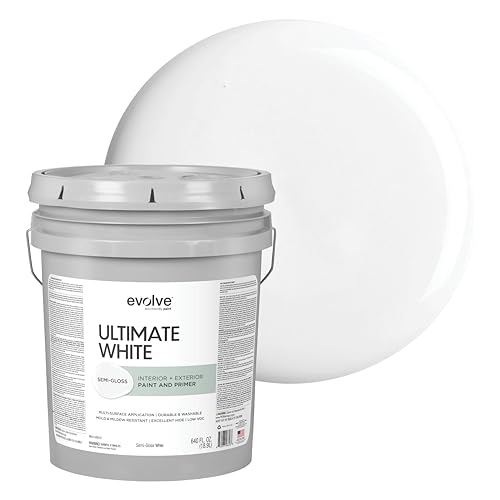
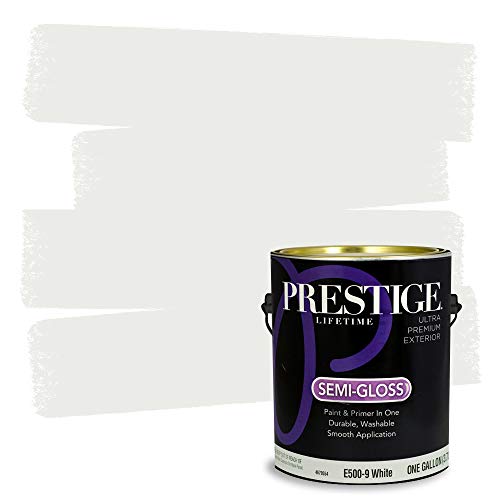
As an Amazon Associate we earn from qualifying purchases at no extra cost to you. Ratings are shown as listed on Amazon.
Best Exterior House Paints by Situation
| Best for | Recommended product or paint type | Typical coverage | Key strength | Main limitation |
|---|---|---|---|---|
| Overall protection | Benjamin Moore Aura Exterior | About 350–400 sq. ft. per gallon | Strong adhesion, color retention, and mildew resistance | Usually carries a premium price |
| Repainting previously painted siding | Sherwin-Williams Duration Exterior | About 350–400 sq. ft. per gallon | Thick, durable film and good weather resistance | Can be less forgiving of poor surface preparation |
| Budget-conscious large exterior | Behr Marquee Exterior | About 250–400 sq. ft. per gallon, depending on surface and color | Accessible pricing and broad color availability | Coverage varies considerably on porous or rough siding |
| Wood that moves, checks, or needs flexibility | Premium 100% acrylic exterior paint or solid-color acrylic stain | About 250–400 sq. ft. per gallon | Flexible coating that tolerates seasonal expansion | Stain may require more frequent color maintenance |
| Masonry and stucco | Breathable acrylic masonry paint | About 200–350 sq. ft. per gallon | Better compatibility with porous mineral surfaces | Rough textures consume substantially more paint |
Coverage figures are planning estimates rather than guarantees. Smooth, previously painted siding may approach the top of the range, while bare wood, stucco, concrete block, and heavily textured surfaces can use much more.
What Makes Exterior Paint Last?
1. Resin quality
The binder, or resin, holds pigment to the wall and determines how the coating handles sunlight, rain, temperature changes, and cleaning. Premium 100% acrylic paints generally outperform inexpensive vinyl-acrylic formulas on exterior walls because acrylic remains more flexible and resists ultraviolet degradation more effectively.
A high-solids paint can also build a thicker protective film, but thickness is not a substitute for preparation. Applying a heavy coat over chalk, dust, damp wood, or peeling paint often produces premature blistering or flaking.
2. Climate fit
- Hot, sunny climates: Choose a paint with strong ultraviolet and color-fade resistance. Light and medium colors usually place less heat stress on siding than very dark colors.
- Humid or rainy climates: Prioritize mildew-resistant acrylic paint, but first correct gutters, leaks, poor ventilation, and vegetation touching the wall. Paint cannot permanently solve a moisture problem.
- Freeze-thaw climates: Look for a flexible coating with good adhesion and apply it only within the manufacturer’s temperature and weather window.
- Coastal locations: Salt, wind, and intense sun make surface cleaning and periodic inspection more important. A premium acrylic system is usually safer than a bargain coating.
- Dry climates: Dust and chalking can prevent adhesion. Washing and allowing the surface to dry fully may matter more than choosing a slightly more expensive color line.
3. Mildew resistance
Exterior paints commonly include mildewcides, but resistance is not the same as immunity. Shaded north-facing walls, damp wood, and areas behind shrubs can still develop mildew. Do not paint over visible biological growth. Clean it with a suitable exterior cleaning solution, rinse carefully, and allow the surface to dry completely before priming or painting.
Surface Compatibility Matters More Than the Label
For previously painted aluminum, vinyl, fiber-cement, and sound wood siding, a quality acrylic exterior paint is usually the most versatile option. Gloss level also matters: satin or low-sheen finishes tend to balance washability with the ability to disguise minor surface irregularities. Flat paint can hide defects but may collect dirt more easily and be harder to clean.
- Wood: Remove loose paint, sand sharp edges, prime exposed areas, and seal end grain. A flexible acrylic finish or solid-color stain is preferable to a brittle coating.
- Vinyl siding: Use a paint approved for vinyl and avoid colors that are significantly darker than the original siding unless the manufacturer specifically permits them. Excessive heat absorption can contribute to distortion.
- Aluminum siding: Remove chalking thoroughly and use a compatible acrylic coating. A bonding primer may be useful where the old finish is glossy or unstable.
- Fiber-cement: Factory-primed panels generally accept acrylic paint well, but cut edges and exposed areas need appropriate sealing or priming.
- Stucco and masonry: Use a breathable acrylic masonry product. Dense, non-breathable coatings can trap moisture in some wall assemblies.
- Previously oil-painted surfaces: Scuff-sand, clean, and use a bonding primer where required before applying water-based acrylic paint.
How Much Paint Does a Typical Exterior Need?
Estimate wall area rather than relying on the home’s interior square footage. Measure each rectangular wall, multiply width by height, and subtract large doors and windows. Gable ends are approximately half the width multiplied by the gable height.
For example, suppose a small two-story exterior has 2,400 square feet of gross wall area. Subtract 300 square feet for windows and doors, leaving 2,100 square feet. If the siding is smooth and the paint covers 375 square feet per gallon:
2,100 ÷ 375 = 5.6 gallons per coat.
Round up to 6 gallons for one coat, or approximately 12 gallons for two coats. Add 10% for waste, touch-ups, texture, and container residue, bringing the practical order to roughly 13 gallons for two coats. If the surface is bare, porous, very dark, or being changed to a dramatically different color, budget for primer as a separate material rather than assuming the finish paint will perform the same job.
Head-to-Head: Premium Acrylic Versus Budget Paint
A premium product can cost more per gallon, but the relevant comparison is finished coverage and repaint frequency. A budget paint that needs two heavy coats plus frequent touch-ups may not be cheaper than a premium paint that reaches an even film in fewer coats.
For a 2,100-square-foot paintable area, a product covering 375 square feet per gallon needs about 6 gallons per coat. At a general market range of roughly $45–$80 per gallon for premium exterior paint, one coat of finish paint costs about $270–$480 before primer, tools, and labor. A value-oriented line may fall around $30–$55 per gallon, or approximately $180–$330 per coat. Actual pricing varies by region, sheen, color base, promotions, and retailer.
The premium choice makes more sense when the home is difficult to access, the climate is severe, or the existing surface is in good condition and you want to extend the repainting interval. A value paint can be reasonable for a rental, outbuilding, low-exposure wall, or planned short-term refresh—provided preparation is still thorough.
Application Steps That Protect Durability
- Inspect and repair: Replace rotten wood, tighten loose siding, repair cracks, and correct leaks before opening the paint.
- Clean: Remove dirt, grease, chalk, and mildew. A pressure washer can damage wood, force water behind siding, or etch masonry if used too aggressively.
- Scrape and sand: Remove loose coating and feather the edges of remaining paint. Do not assume a new layer will hide peeling edges.
- Prime strategically: Prime bare wood, repaired areas, stains, glossy surfaces, and incompatible old coatings. Full-surface priming may be appropriate for a chalky or highly porous exterior.
- Seal gaps: Use paintable exterior sealant around trim and joints, while preserving drainage paths and weep holes.
- Paint in suitable weather: Avoid rain, heavy dew, extreme heat, and surfaces hot enough to cause rapid skinning. Follow the product’s temperature and recoat instructions.
- Apply the correct film: Two moderate coats are often more durable and visually consistent than one excessively thick coat. Keep a wet edge and back-brush textured surfaces.
Ownership Realities and Common Failure Points
The first areas to fail are often horizontal trim, window sills, exposed end grain, south- or west-facing walls, and locations where water repeatedly splashes from the ground. Inspect these areas annually. Clean dirt before it becomes a damp film, trim vegetation away from walls, and touch up small failures before bare substrate remains exposed for a full season.
Do not paint damp siding, use interior paint outdoors, mix leftover products without confirming compatibility, or seal over active mildew. Also avoid choosing solely by the longest warranty claim: warranties commonly depend on preparation, application conditions, substrate, color, and maintenance. For most homeowners, the best exterior house paint is the product whose resin, sheen, and surface instructions match the building—not simply the most expensive can.
Bottom Line
Choose Benjamin Moore Aura Exterior or Sherwin-Williams Duration Exterior when long-term weather resistance and dependable adhesion are the priorities. Choose Behr Marquee Exterior when material cost matters and the surface is sound. For wood, masonry, vinyl, and stucco, switch from a generic “best” paint decision to a substrate-specific acrylic system, calculate gallons from actual wall area, and spend as much attention on cleaning, drying, and priming as on the finish brand.






Write Your Review
No reviews yet. Be the first to share your experience!