

The best simple cocktail recipes for lazy nights use three or four measured ingredients, one glass, and either a spoon or no tool at all. Start with a 2:1 highball—45 ml spirit, 15 ml citrus, and 90 ml mixer—then adjust sweetness or strength with a small splash rather than rebuilding the drink.
These recipes are designed for low effort, ordinary supermarket ingredients, and minimal washing up. Each makes one drink; use a jigger or measuring spoon for consistent results, and drink responsibly.
Our top picks
 Cocktail Cards: 100 Cocktail Recipes to Master
- ▶️ MAKE BARTENDER QUALITY COCKTAILS AT HOME: Learn…
- ▶️ VIDEO INSTRUCTION FOR EACH COCKTAIL - Each…
- ▶️ LEARN ABOUT THE HISTORY OF COCKTAIL -…
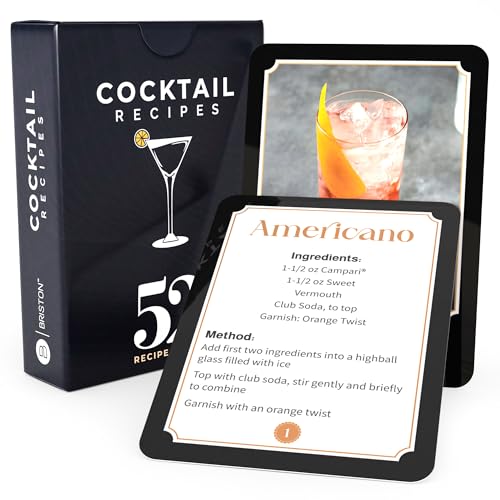 Cocktail Recipe Cards
- Unlock your inner bartender with Briston’s cocktail recipe…
- Each card is made with thick 350 GSM…
- Follow clear ingredient lists and simple instructions on…
| Product | Key specs | |
|---|---|---|
 The Accidental Mixologist: A Funny Guide to The Accidental Mixologist: A Funny Guide to | Check price | |
| Cocktail Cards: 100 Cocktail Recipes to Master | ▶️ MAKE BARTENDER QUALITY COCKTAILS AT HOME: Learn… ▶️ VIDEO INSTRUCTION FOR EACH COCKTAIL - Each… ▶️ LEARN ABOUT THE HISTORY OF COCKTAIL -… | Check price |
| Cocktail Recipe Cards | Unlock your inner bartender with Briston’s cocktail recipe… Each card is made with thick 350 GSM… Follow clear ingredient lists and simple instructions on… | Check price |
 Cocktail Recipe Cards Cocktail Recipe Cards | Have you ever wanted to make your own… We've made it simple for anyone to follow… Our recipe cards are made from high quality… | Check price |
As an Amazon Associate we earn from qualifying purchases at no extra cost to you.
Quick comparison of the easiest cocktails
| Cocktail | Best for | Ingredients and volume | Tools | Approximate ingredient cost |
|---|---|---|---|---|
| Gin and Tonic | Almost no preparation | 45 ml gin, 120 ml tonic, lime wedge | Glass and spoon | About $2.50–$5 |
| Whiskey Ginger | A warming, sweet highball | 45 ml whiskey, 120 ml ginger ale, 10 ml lemon | Glass and spoon | About $2–$4 |
| Vodka Soda with Citrus | A light, dry drink | 45 ml vodka, 120 ml soda water, 15 ml lime | Glass and spoon | About $1.50–$3 |
| Rum and Cola | Using pantry mixers | 45 ml dark or gold rum, 120 ml cola, 10 ml lime | Glass and spoon | About $2–$4 |
| Lazy Paloma | A tart, refreshing option | 45 ml tequila, 15 ml lime, 120 ml grapefruit soda | Glass and spoon | About $2.50–$5 |
1. Gin and Tonic: the no-cook classic
A gin and tonic is the best overall choice when you want a reliable drink with almost no preparation. Use 45 ml gin, 120 ml chilled tonic water, and a lime wedge in a tall glass filled with ice.
How to make it
- Fill a 300–400 ml glass with ice. More ice keeps the drink colder and reduces dilution because it melts more slowly.
- Pour in 45 ml gin and squeeze in a lime wedge.
- Add 120 ml tonic water slowly, then stir once or twice. Gentle stirring preserves more carbonation.
For a softer, less bitter drink, use 150 ml tonic. For a stronger botanical profile, reduce the tonic to 90 ml. Lemon can replace lime, and cucumber slices work when you want a fresher garnish without buying specialty ingredients.
2. Whiskey Ginger: best for a warming evening
Whiskey ginger is a forgiving highball with enough sweetness to hide small measurement errors. Combine 45 ml bourbon, rye, or blended whiskey with 120 ml ginger ale and 10 ml lemon juice.
Build it directly over ice in a 300 ml glass and stir briefly. Bourbon gives a rounder, sweeter result, while rye produces a drier, spicier drink. If you have ginger beer instead of ginger ale, use 90–120 ml and omit or reduce the lemon because ginger beer is usually more intense.
Easy substitutions
- Use bottled lemon juice for convenience; choose a refrigerated product when possible and keep it sealed.
- Replace lemon with lime for a sharper flavor.
- Use maple syrup only if the drink needs more sweetness: start with 5 ml, stir, and taste.
- For a lower-alcohol version, use 30 ml whiskey and keep the mixer at 120 ml.
3. Vodka Soda with Citrus: best for a light, dry drink
For the simplest dry cocktail, pour 45 ml vodka and 15 ml lime juice over ice, then add 120 ml soda water. Stir once and add a lime wedge if available.
This drink has nowhere for poor ingredients to hide, so very cold soda water and fresh citrus make the largest difference. If soda water tastes too plain, replace half of it with lemon-lime soda. That adds sweetness without requiring simple syrup.
A 330 ml can of soda water is enough for two drinks if each uses 120 ml, leaving room for ice melt and a small top-up. Opened sparkling water loses carbonation quickly, so refrigerate it and use it within a day or two for the best texture.
4. Rum and Cola: best when the cupboard is nearly empty
Rum and cola requires only 45 ml rum, 120 ml cola, and 10 ml lime juice. Add everything to an ice-filled glass and stir gently.
Dark rum gives molasses and caramel notes; gold rum is milder. White rum also works, though the finished drink will taste lighter. If you do not have lime, use 5–10 ml lemon juice or skip the citrus entirely. The acid is useful because it keeps the cola-and-rum combination from tasting overly sweet.
For a more balanced ratio, use 45 ml rum and 90 ml cola over a full glass of ice. This produces a less diluted, stronger-tasting drink than the common tall pour. A 355 ml can of cola generally makes two drinks at the 120 ml measurement, with some remaining for a second round.
5. Lazy Paloma: best for tart, refreshing flavor
A simplified Paloma combines 45 ml tequila, 15 ml lime juice, and 120 ml grapefruit soda. It delivers the citrus character of a more involved cocktail without a shaker, salt rim, or fresh grapefruit.
Use blanco tequila for a clean, peppery profile or reposado tequila for a rounder, oak-influenced result. Add a pinch of salt—less than 1/16 teaspoon—if the drink tastes flat, but omit it if you are trying to keep preparation and cleanup minimal.
Grapefruit soda varies considerably in sweetness. If yours is very sweet, add another 5 ml lime juice. If it is bitter or unsweetened, add 5 ml agave syrup or simple syrup, stir, and reassess.
6. Apple Bourbon Highball: best for autumn flavors without a recipe project
Pour 45 ml bourbon, 90 ml apple juice, and 60 ml soda water over ice. Add 5 ml lemon juice if the apple juice tastes heavy or sugary.
This is a useful formula for using small amounts of juice before they spoil. Cloudy apple juice gives a fuller flavor, while clear apple juice makes a lighter drink. Ginger ale can replace both the soda water and lemon; use 120 ml ginger ale and omit added sweetener.
7. Lazy Espresso Martini alternative: a coffee highball
When you want coffee flavor but do not want to pull out a shaker, combine 45 ml coffee liqueur, 30 ml vodka, and 90 ml chilled cola or cold brew coffee over ice. Stir with a spoon and drink from a short glass.
Cola makes a sweeter, more carbonated drink. Cold brew gives a less sweet result and is easier to balance with 5–10 ml simple syrup if needed. Do not use hot coffee directly over ice: it melts the ice rapidly and makes the drink watery.
The easiest formula for inventing your own lazy cocktail
Most low-effort mixed drinks can be built with one base, one flavor component, and one mixer. Use this starting ratio:
| Component | Starting amount | Purpose | Examples |
|---|---|---|---|
| Spirit | 30–45 ml | Body and alcohol | Gin, vodka, rum, tequila, whiskey |
| Acid or flavor | 10–15 ml | Balance and brightness | Lime, lemon, cranberry juice |
| Mixer | 90–150 ml | Length, sweetness, and dilution | Tonic, soda, cola, ginger ale |
| Sweetener, if needed | 5 ml at a time | Softens sharp acidity | Simple syrup, honey syrup, agave |
For a 40% spirit, 45 ml contains roughly 18 ml of pure alcohol before dilution. Actual serving standards vary by country, so check local guidance and the label on your bottle. If you are driving, pregnant, taking medication that interacts with alcohol, under the legal drinking age, or choosing not to drink, use a zero-proof alternative instead.
How to keep lazy cocktails genuinely low effort
Use one measuring tool
A 30/15 ml double-sided jigger is the most useful single tool. If you do not have one, three tablespoons equal approximately 45 ml, and one tablespoon equals approximately 15 ml. A proper jigger is more consistent, but measuring spoons are adequate for casual home mixing.
Choose a glass that fits the drink
A 300–400 ml highball glass suits spirit-and-soda drinks because it leaves room for 120–150 ml of mixer and plenty of ice. A 250–300 ml rocks glass is better for shorter drinks such as the coffee highball. The glass does not need to be a branded cocktail glass; a sturdy tumbler works.
Keep a small, durable kit
- One double-sided jigger or a set of measuring spoons.
- One long-handled spoon, although an ordinary teaspoon can work.
- A manual citrus squeezer if you make more than two citrus drinks per week.
- An ice tray producing at least 500 g of ice, enough for two or three tall drinks.
- A sealed bottle or jar for leftover citrus juice.
There is no need for a cocktail shaker for the recipes above. Shakers add washing, require a separate strainer in some cases, and are mainly useful when a recipe contains several dense ingredients that need vigorous mixing.
Cost and ingredient planning for a relaxed week
Suppose a 750 ml bottle of spirit costs $25 and each drink uses 45 ml. The bottle contains approximately 16.7 measured servings, making the spirit cost about $1.50 per drink before mixers. A 1.25 litre bottle of mixer supplies about ten 120 ml servings; if it costs $3, that adds roughly $0.30 per drink. Add $0.25–$0.75 for citrus and ice, and a basic highball often costs approximately $2.05–$2.55 in ingredients, excluding tax.
This calculation also shows why measured pours matter. Pouring 60 ml instead of 45 ml reduces a 750 ml bottle to 12.5 servings, increasing the spirit cost per drink from about $1.50 to $2.00. A jigger can pay for itself by preventing inconsistent pours, especially when a bottle is shared among several people.
Storage, cleaning, and what wears out first
Rinse glasses soon after use, especially after cola, juice, or sugary mixers dry onto the surface. Wash jiggers and spoons with warm water and dish soap; citrus juice can leave a sticky film around seams and handles. If your jigger has a narrow internal cup, use a small bottle brush occasionally.
The first consumables to deteriorate are usually opened carbonated mixers, cut citrus, and ice that has absorbed freezer odors. Keep opened soda tightly capped and cold, cut only the citrus you need, and discard ice that smells stale. Fresh citrus juice generally tastes best within a few days when refrigerated in a sealed container.
Common mistakes include using too little ice, adding mixer before measuring the spirit, over-stirring carbonated drinks, and correcting sweetness with too much syrup at once. Add sweetener in 5 ml increments; it is easy to make a drink sweeter, but difficult to remove excess sugar.
Frequently Asked Questions
What is the easiest cocktail to make at home?
Gin and tonic is usually the easiest because it needs only a spirit, a carbonated mixer, ice, and an optional citrus wedge. Measure 45 ml gin and add 120 ml tonic over ice. Whiskey ginger and rum and cola are equally simple if those ingredients are already in your cupboard.
Can I make these cocktails without a cocktail shaker?
Yes. All of the recipes here are designed to be built directly in the serving glass. Add the spirit and citrus first, then ice and the mixer, and stir gently for a few seconds.
What can I use instead of a jigger?
Use measuring spoons: one tablespoon is approximately 15 ml, so three tablespoons equal approximately 45 ml. A small kitchen measuring cup also works, but a jigger is faster and usually produces more consistent pours.
How do I make a cocktail less strong without making it too sweet?
Reduce the spirit from 45 ml to 30 ml and keep the same amount of soda water, tonic, or another dry mixer. Avoid adding extra cola or ginger ale if sweetness is already high; soda water or ice is a better adjustment.
Which mixer works with the most spirits?
Soda water is the most versatile low-sugar mixer for vodka, gin, whiskey, rum, and tequila. Tonic pairs especially well with gin, while ginger ale works with whiskey, rum, vodka, and tequila. Keep citrus available because 10–15 ml lemon or lime helps balance most spirit-and-mixer combinations.
How many cocktails should I serve at once?
Prepare one measured drink at a time so you can account for its strength and how you feel. Alcohol affects people differently, and a 45 ml pour of 40% spirit contains a substantial amount of alcohol even after adding a mixer. Choose water or a zero-proof drink when you need to drive, work, or avoid alcohol.







Write Your Review
No reviews yet. Be the first to share your experience!